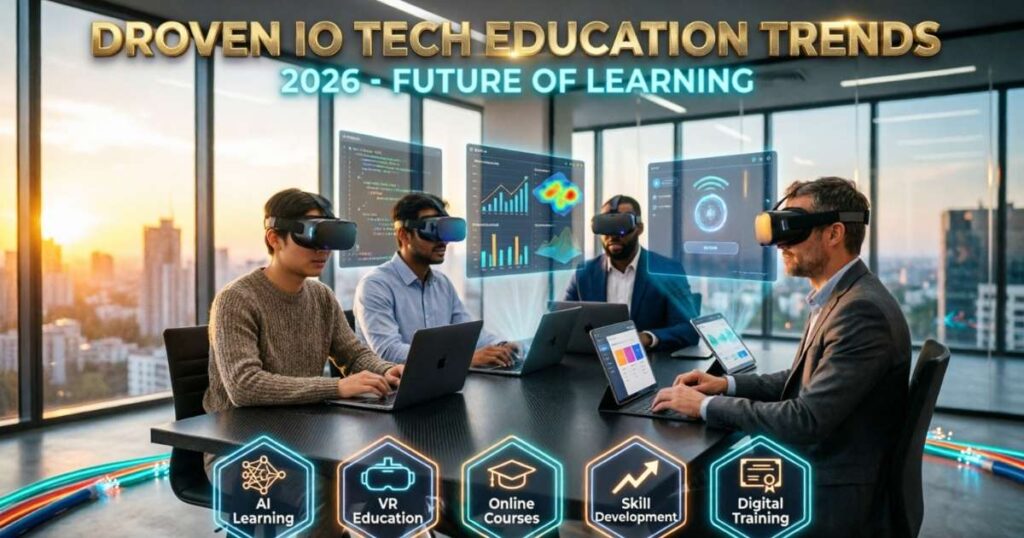

Sometimes it feels overwhelming when everything around us is changing so fast, especially with technology. You hear people talk about Tech Education, but it can feel confusing where to even start or what actually matters in real life. Many learners struggle with the fear of falling behind in this fast digital world.
In this blog, we will break down Tech learningin a simple and clear way so you can understand it without stress. You will also learn about useful insights like droven io tech education trends and how they are shaping the future of learning. The goal is to help you stay updated, confident, and ready to move forward in the tech world.
The Changing Face of Education
Education doesn’t look the way it used to, and honestly, that’s not a bad thing. A classroom is no longer limited to four walls, a blackboard, and a stack of heavy books. Today, students can learn from a laptop, revise through an app, join a virtual class from home, and even get personalized help from smart tools. That shift is what makes Tech learningsuch an important part of modern learning.
The biggest change is that learning has become more flexible, interactive, and connected to real life. Instead of forcing every student to follow the same path, modern education is slowly moving toward systems that adapt to different learning styles, schedules, and goals. From digital learning and AI in education to hybrid classrooms and learning analytics, the focus is no longer just on teaching lessons. It’s about helping students actually understand, apply, and grow from what they learn.
Digital Learning Expansion
Digital learning has grown from a helpful extra into a core part of education. A few years ago, online education was often seen as a backup option, but now it plays a central role in schools, colleges, and professional training. Students use e-learning platforms, mobile learning apps, and cloud-based tools to attend lectures, watch recorded lessons, submit work, and revise at their own pace. This shift has made learning more accessible for people who live far from campuses, work full-time, or simply need a more flexible way to study.
Role of Artificial Intelligence
Artificial intelligence is changing education in quiet but powerful ways. It’s not just about robots or futuristic classrooms. In reality, AI in education often shows up through adaptive learning systems, AI-powered quizzes, instant feedback tools, and platforms that recommend lessons based on a student’s progress. If one student struggles with math and another moves faster in science, AI can help tailor the experience so both learners get support at the right level. That makes learning feel less one-size-fits-all and more personal.
Hybrid Classroom Models
Hybrid classrooms mix in-person teaching with online learning, and that balance is becoming one of the most practical models in modern education. A student might attend class on campus twice a week, then complete digital lessons, assignments, or discussion boards from home. This blended learning approach gives more flexibility without removing the structure of a real classroom. It also helps schools continue teaching during disruptions while still giving students access to teachers, peers, and a routine that keeps them engaged.
Student Engagement and Interaction
Keeping students interested has always been one of education’s biggest challenges, and technology is now helping in smarter ways. Instead of just listening to lectures, students can join live polls, take interactive quizzes, use gamified learning apps, and collaborate through discussion platforms. These small changes make a big difference because learning starts to feel more active and less passive. When students participate, ask questions, and receive real-time feedback, they usually remember more and feel more connected to the lesson.
Data and Learning Outcomes
One of the most useful changes in modern education is the way data can now show what’s actually helping students learn. Teachers and platforms can track attendance, quiz scores, time spent on lessons, and even where students tend to struggle. This doesn’t mean reducing learning to numbers. It means using learning analytics to spot patterns early, offer support faster, and improve teaching methods based on real evidence. In many cases, better data leads to better learning outcomes because problems are noticed before students fall too far behind.
The Rise of Personalized Learning
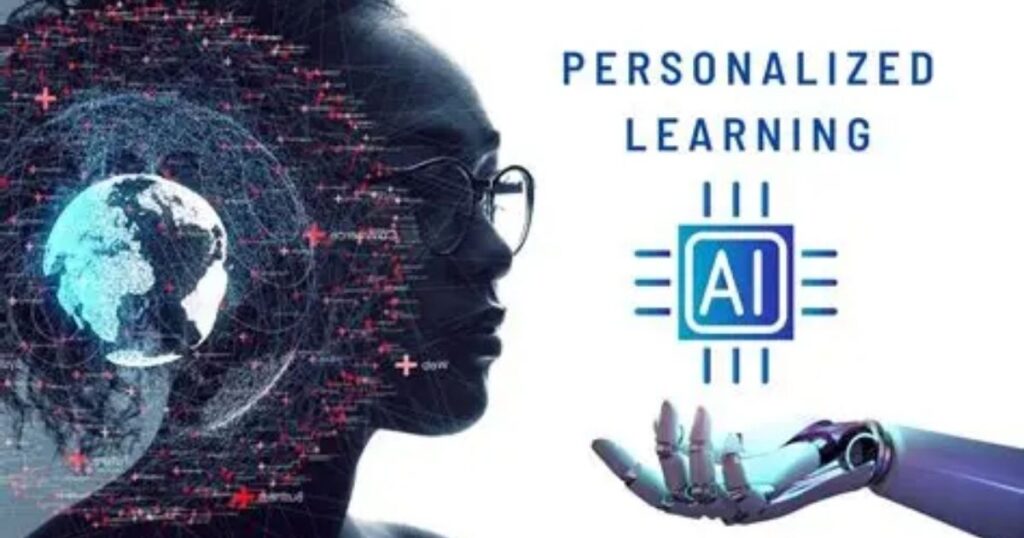
Personalized learning is becoming one of the most important shifts in modern Tech learning. Instead of giving every student the same lessons in the same way, it focuses on adjusting content, pace, and support based on individual needs, strengths, and learning habits.
This approach has grown alongside digital learning, AI in education, and adaptive learning systems. Schools, online education platforms, and training programs now use data, learning analytics, and smart education tools to create more student-centered learning experiences. As a result, personalized learning is helping make education more flexible, relevant, and effective for different types of learners.
The interpretation may vary depending on the situation:
- For students, personalized learning can improve understanding and confidence.
A student who learns slowly in math but quickly in reading does not have to follow the same pace in every subject. Adaptive learning systems can adjust lessons, practice tasks, and feedback based on performance, which often leads to better learning outcomes. - For teachers, it offers a better way to support different learning styles.
In a traditional classroom, it can be difficult to meet every student’s needs at once. Personalized learning tools, learning management systems, and AI-powered learning platforms can help teachers identify weak areas faster and provide more targeted support. - For online education, it makes digital learning feel more human and relevant.
E-learning platforms now use progress tracking, content suggestions, and real-time feedback learning to keep students engaged. This can make remote learning and mobile learning platforms more useful, especially for learners who prefer flexibility and self-paced study. - However, personalized learning also comes with challenges.
It often depends on strong digital infrastructure, reliable internet access, and good-quality educational data. If schools lack proper tools, teacher training, or data privacy protections, personalized learning may not work as effectively as intended. - In the bigger picture, it reflects a move toward smarter and more flexible education systems.
Personalized learning supports the idea that education should adapt to the learner, not the other way around. In the future of Tech learning, this model is likely to play a major role in blended learning, skills-based learning, and long-term student engagement.
Technology as a Learning Companion
Technology has become a helpful learning companion for students and teachers. It supports digital learning through videos, apps, online classes, and smart tools. These tools make lessons easier to access and understand. They also help learners study at their own pace and stay connected with learning anytime.
In modern Tech learning, technology is not just a device in the classroom. It acts like a guide that supports practice, feedback, and personalized learning. However, it works best when used with clear goals and teacher support. Good technology should improve learning, not distract from it.
Read More; Pushwiki Com Review 2026: Is It Legit, Safe, or Trustworthy?
The Shift Toward Skills Over Degrees
The shift toward skills over degrees reflects a major change in how education and employment are connected. In modern Tech learning, employers and learners are paying more attention to practical abilities, job-ready knowledge, and real-world performance rather than relying only on traditional academic qualifications.
This change has grown with the rise of digital learning, professional training, and the skills economy. Many industries now value skills-based learning, micro-credentials, stackable learning badges, and short certification programs because they often match current job needs more directly. As technology changes the workplace faster than old degree models can adapt, people are looking for faster and more flexible ways to build relevant skills.
The interpretation may vary depending on the situation:
- For learners, this shift can create faster and more affordable pathways into work.
Instead of spending several years completing one degree, some students choose bootcamps, online certifications, or targeted professional training to learn specific skills. This can be especially useful in fields like tech, design, marketing, and data-related work where tools and job requirements change quickly. - For employers, skills-based hiring can lead to better job matching.
A candidate who can show strong coding, communication, data analysis, or problem-solving skills may be more valuable than someone with a degree alone. This is why many companies now look at portfolios, certifications, assessments, and practical experience alongside formal education. - For education systems, it supports more flexible learning models.
Schools, colleges, and e-learning platforms are increasingly offering short courses, modular training, and upskilling programs that focus on measurable outcomes. This makes learning feel more connected to real work and future skills development, especially for adult learners and working professionals. - However, the move away from degrees also has limits and risks.
Some professions still require formal qualifications, accreditation, or deep academic training that short courses cannot replace. There is also a risk that low-quality certificates and unregulated programs may confuse employers and learners if standards are not clear. - In the long run, the best model may be balance rather than replacement.
Degrees still matter in many careers, but they are no longer the only proof of ability. In the future of Tech learning, skills-based learning, micro-credentials, and traditional qualifications may work side by side to support different career goals and learning journeys.
Flexible Learning Environments
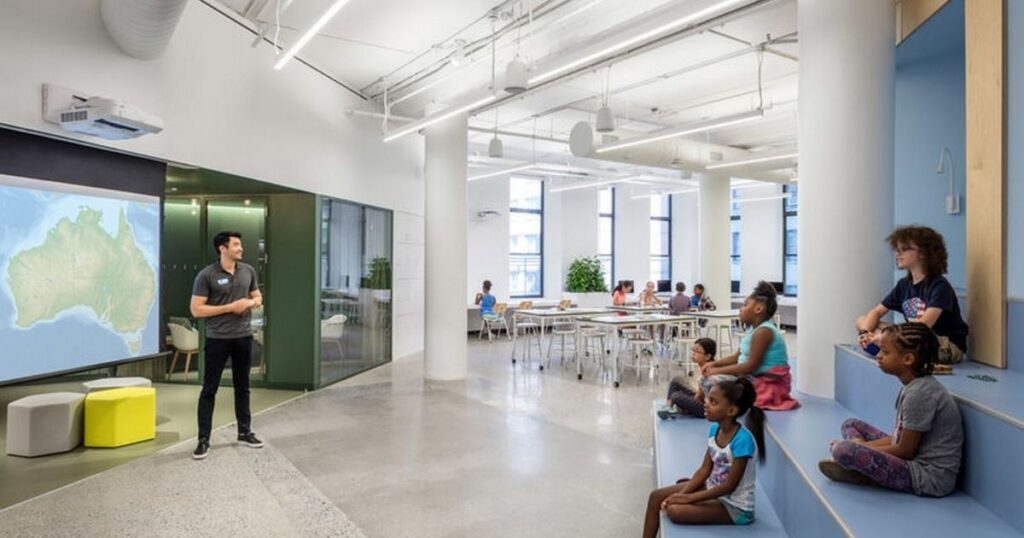
Flexible learning environments give students more freedom in how, when, and where they learn. Instead of following one fixed routine, learners can use online classes, recorded lessons, and digital platforms. This makes learning easier for students with different schedules, needs, and learning styles. It also supports better balance between study and daily life.
In Tech learning, flexible learning environments are becoming more important every year. They help schools combine classroom teaching with remote learning and self-paced study. This approach can improve access and comfort for many learners. However, it also needs strong planning, internet access, and the right support to work well.
Immersive and Interactive Learning
Immersive and interactive learning makes education more engaging by using real-like experiences, simulations, and digital tools. It helps students understand concepts better through active participation in modern Tech learningenvironments.
| Aspect | Explanation |
| Virtual simulations | Students practice real-world tasks in a safe digital space. |
| Gamified learning | Learning becomes fun through games and rewards. |
| AR and VR tools | Augmented and virtual reality create lifelike learning experiences. |
| Active participation | Students learn by doing, not just watching or reading. |
| Better understanding | Complex topics become easier to visualize and grasp. |
| Higher engagement | Interactive content keeps students focused longer. |
| Real-world practice | Skills are tested in practical, scenario-based environments. |
| Instant feedback | Students get quick responses to improve learning speed. |
| Collaboration tools | Learners can work together in virtual environments. |
| Modern skill building | Supports future skills needed in digital workplaces. |
Data-Driven Insights in Education
Data-driven insights in education help teachers and schools understand how students learn. In Tech Education, data from tests, online platforms, and learning tools is used to improve learning outcomes and support better decisions.
- Data shows student progress and learning patterns clearly.
- It helps teachers identify weak areas early.
- Learning analytics improve teaching methods and results.
- Online education platforms use real-time feedback learning.
- It supports personalized learning and adaptive learning systems.
- However, too much data can feel overwhelming or misused.
- Data privacy and security are important concerns in digital classrooms.
Read More ; Revolvertech Gaming 2026: Secrets, Reviews & Hidden Insights
Blockchain and Credential Verification
Blockchain and credential verification are becoming more relevant in modern Tech learning because they offer a safer and more reliable way to store academic records. Instead of relying only on paper certificates or manually checked documents, institutions can use blockchain systems to create secure, verifiable, and tamper-resistant credentials.
This matters because education is no longer limited to one school, one degree, or one country. Today, learners earn online certificates, micro-credentials, stackable learning badges, and professional training records from many different platforms. As digital learning expands, the need for trusted credential verification also grows. Blockchain can help schools, employers, and learners confirm achievements faster while reducing fraud and paperwork.
The interpretation may vary depending on the situation:
- For students and professionals, blockchain can make credentials easier to prove and share.
Instead of requesting physical transcripts or waiting for manual verification, a learner could share a secure digital record of a degree, certification, or micro-credential. This can be especially useful for people moving between jobs, countries, or online education platforms. - For employers and institutions, it can improve trust and reduce fake qualifications.
Credential fraud is a real issue in both academic and professional spaces. Blockchain credential verification can help employers confirm whether a certificate, badge, or training record is authentic without relying on long verification processes. This can save time and improve hiring confidence. - For the future of skills-based learning, it supports more flexible learning paths.
Many learners now build their knowledge through short courses, bootcamps, industry certifications, and upskilling programs rather than one traditional degree. Blockchain can help organize these achievements into a secure digital record, making it easier to track progress across different learning experience platforms. - However, blockchain in education is not a perfect solution yet.
Many schools and training providers still lack the technical systems, budget, or policy framework needed to adopt it properly. There are also concerns around standardization, long-term platform support, and how personal educational data should be protected within digital systems. - In the bigger picture, blockchain reflects the shift toward portable and data-driven education records.
As Tech learningcontinues to evolve, learners may increasingly need credentials that are easy to verify across institutions, industries, and borders. Blockchain offers one possible answer, especially in a world shaped by online education, professional training, and continuous learning.
The Role of Continuous Learning
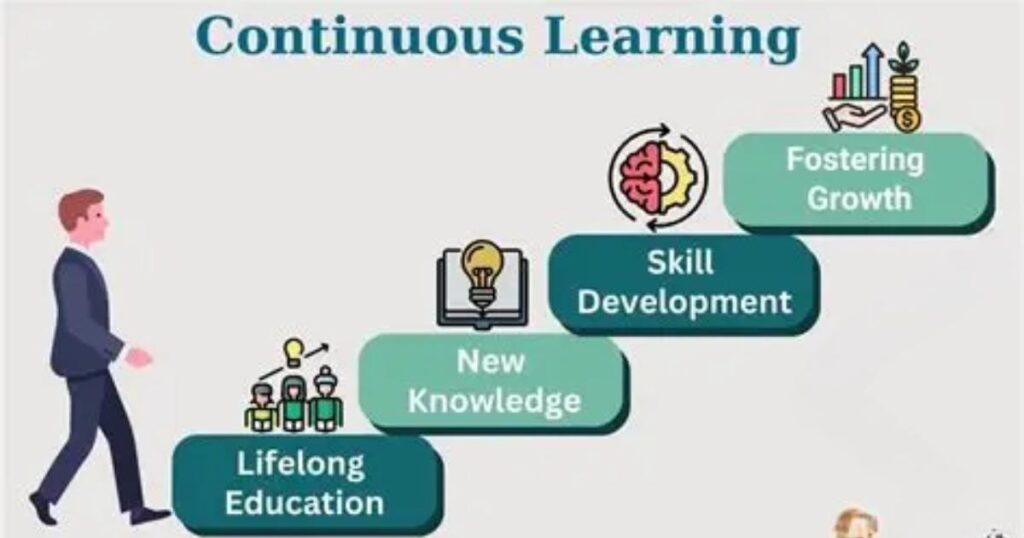
Continuous learning means always updating your skills and knowledge throughout life. In modern Tech learning, it helps students and professionals stay relevant in a fast-changing digital world and improve career opportunities.
- Continuous learning helps people stay updated with new skills and tools.
- It supports career growth in fields like AI, digital learning, and data-driven education.
- Online education platforms make it easy to learn anytime and anywhere.
- Upskilling and reskilling improve job readiness in the skills economy.
- It encourages lifelong learning habits beyond formal education.
- Continuous learning trends help professionals adapt to new technology changes.
- However, it requires discipline, time management, and motivation to stay consistent.
Social-Emotional Learning and Mental Wellness in EdTech
Social-emotional learning helps students understand feelings, manage stress, and build healthy relationships. In EdTech, digital tools can support this by offering check-ins, guided activities, and safe spaces for communication. These features help students feel heard and supported. Mental wellness is important because learning becomes harder when a student feels anxious, lonely, or emotionally overwhelmed.
In Tech Education, mental wellness should grow alongside academic progress. A good learning platform should not only teach lessons but also support focus, confidence, and emotional balance. However, technology alone is not enough. Students still need caring teachers, human connection, and a healthy learning environment to truly feel supported.
Challenges and Considerations
While Tech learningbrings flexibility, innovation, and better access to learning, it also comes with real challenges that cannot be ignored. Digital learning, AI in education, and data-driven systems can improve learning outcomes, but they also raise important questions about access, quality, privacy, and long-term sustainability.
As schools, universities, and online education platforms adopt new technologies, the focus should not only be on what these tools can do, but also on how they affect students, teachers, and institutions in practice. The interpretation may vary depending on the situation:
| Challenge or Consideration | What It Means in Practice |
| Digital access is still unequal | Not every student has a stable internet connection, a personal device, or a quiet place to study. This digital divide can limit the benefits of remote learning, mobile learning platforms, and flexible learning environments, especially in low-resource areas. |
| Teacher training matters as much as the technology itself | Even the best learning management systems or AI-powered learning tools can fall short if teachers are not trained to use them effectively. Teacher training in tech learningis essential for creating strong student engagement and meaningful learning experiences. |
| Data privacy and cybersecurity need serious attention | Modern education platforms collect a large amount of student data, from attendance and quiz scores to behavior patterns and learning analytics. Without clear rules, data privacy in education and cybersecurity in digital classrooms can become major concerns for schools and families. |
| Not all digital tools improve learning quality | Some platforms look impressive but offer little educational value. If schools adopt technology without clear goals, they may end up adding distraction, screen fatigue, or extra workload instead of improving personalized learning or learning outcomes. |
| Cost, maintenance, and long-term support can be difficult | Building smart education systems often requires more than one-time software purchases. Institutions also need technical support, updates, secure systems, and ongoing investment. For many schools, especially smaller ones, this can become a practical and financial challenge. |
Overall, the future of Tech learning depends not only on innovation but also on thoughtful implementation. Technology can improve access, personalization, and skills-based learning, but only when institutions balance progress with training, equity, privacy, and educational quality.
The Future of Learning
The future of learning will be more digital, flexible, and personalized. In modern Tech learning, students will learn through AI tools, online platforms, and interactive experiences that improve learning outcomes and skills development.
- Learning will become more personalized and adaptive for each student.
- AI in education will guide lessons and improve understanding.
- Hybrid classrooms will mix online and in-person learning.
- Immersive learning will use simulations and real-world practice.
- Continuous learning will be important for future careers.
- Data-driven education will improve teaching and student success.
- However, equal access and digital skills will still be major challenges.
Frequently Asked Questions
What is Tech Education and why is it important in 2026?
Tech Education uses digital tools and AI to improve learning. It builds future skills and improves global learning outcomes for students.
How is Tech Education changing traditional learning methods?
Tech Education replaces old methods with digital and interactive learning. It makes education flexible, personalized, and focused on real skills.
What are the main Tech Education trends in 2026?
Main Tech Education trends include AI in education, hybrid classrooms, and personalized learning. They improve engagement and student performance worldwide.
How does AI improve Tech Education for students?
AI in Tech learning gives adaptive learning and real-time feedback. It personalizes lessons and helps students understand concepts more easily.
What is the role of Tech Education in career growth?
Tech Education supports career growth through skills-based and continuous learning. It prepares students for modern jobs and digital industries.
Why is personalized learning important in Tech Education?
Personalized learning in Tech Education adjusts content to each student’s pace. It improves understanding, confidence, and overall learning outcomes.
How does Tech Education support remote learning?
Tech Education enables remote learning through online platforms and mobile tools. Students can learn anytime with flexible access to education.
What challenges exist in modern Tech Education systems?
Tech Education faces challenges like digital gaps and data privacy issues. Still, it grows with improved tools and solutions globally.
How does Tech Education improve student engagement?
Tech Education improves engagement through gamified learning and interactive tools. Students stay active, focused, and more involved in lessons.
What is the future of Tech Education?
The future of Tech Education is AI-driven and personalized. It focuses on immersive learning, flexibility, and continuous skill development.
Conclusion
In conclusion, Tech Education is changing how people learn in today’s digital world. It is making learning easier, faster, and more flexible for students everywhere. With Tech learning, learners can access online tools, AI systems, and smart platforms anytime. This shift is helping students build real skills for future jobs. Tech learningalso supports better understanding through personalized and interactive learning methods.
Overall, the future of Tech learning looks very strong and full of new opportunities. Trends like droven io tech education trends are shaping how digital learning will grow in coming years. Tech learningis also improving engagement, access, and learning outcomes for all types of learners. However, it still needs equal access and proper guidance to work better. In the end, Tech learningwill continue to grow as a powerful part of modern education systems worldwide.