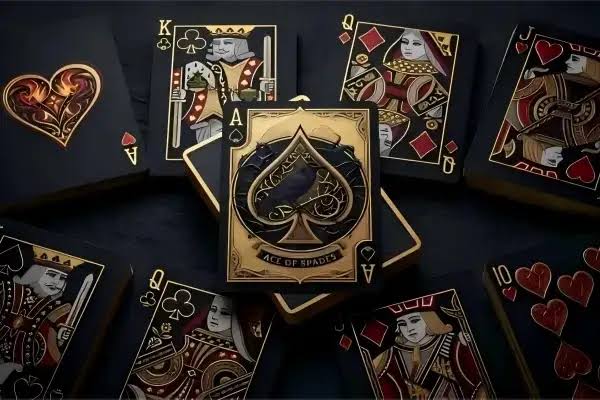

A pair of dice can change a game in seconds. A single card can turn a strong hand into a weak one. Poets use these simple images to describe the sudden changes that shape human life.
Love and fate often feel hard to predict. Two people may meet by chance, grow close, and then part without warning. A poet can capture this uncertainty through a familiar image, such as a shuffled deck or a rolling die.
Games have supplied stories and symbols for centuries. In South Asian culture, the ancient epic Mahabharata includes a famous dice game that leads to grave consequences. The episode shows how a single choice can affect many lives.
In poetry, playing cards and dice serve as metaphors rather than literal games. A hidden card may suggest a secret. A lost hand may reflect heartbreak. A final roll may stand for a choice that cannot be undone.
These images also fit the emotional style of Hindi shayari, where a few lines can express hope, regret, or longing.
By turning chance into a clear visual scene, poets help readers understand the link between personal choices and events beyond their control.
How Dice Became A Symbol Of Fate And Uncertain Choices
Dice have a long history in South Asian stories. In the Mahabharata, a game of dice sets off events that change the lives of entire families. The scene links chance, choice, and consequence in a way that remains easy to grasp.
A die has six faces, but only one lands on top. This simple fact makes it a useful image for an uncertain future. A poet may compare a life decision to a roll because the outcome remains unknown until the moment arrives.
In Hindi shayari, fate, often called kismat or taqdeer, can represent events that people cannot control. Dice offer a physical way to express this idea.
Modern games also use images of chance. For example, online references to jetx login app relate to a digital game where an aircraft graphic represents an uncertain outcome. Such imagery shows how the language of chance has moved from traditional games into digital culture.
Yet poetry gives these images a different purpose. A dice roll in a poem may stand for a lost chance, a sudden meeting, or a choice made in fear.
The result matters less than the human feeling behind it. Through a small object with six faces, poets can explore the weight of decisions that shape an entire life.
How Playing Cards Express Love, Secrets, And Loss
A deck of cards gives poets a rich set of images. Each card has a face, a suit, and a place in the game. Yet no player knows which card will appear next.
This mix of hidden facts and sudden change makes cards useful symbols for love.
The heart suit has a clear link to romance in popular culture. A poet may use the ace of hearts to suggest deep love or a bond that feels rare. A torn card may stand for a broken promise.
Hidden cards can also represent secrets. Two people may share a close bond while keeping their true feelings out of sight. The image of a card held face down captures that silence.
A shuffled deck offers another meaning. It can suggest how a chance meeting brings two strangers together. Once the cards fall into place, their lives may take a new path.
In Hindi shayari, such images work best when they serve the emotion of the verse. A card is not just an object from a game. It becomes a way to show trust, doubt, hope, or heartbreak.
The image stays simple, while the feeling behind it gives the poem depth.
Why Games Of Chance Create Strong Poetic Metaphors
A strong metaphor turns a complex feeling into something readers can picture. Games of chance offer clear actions: a hand deals cards, dice cross a table, and a player waits for the result.
Each action can reflect a human experience.
Waiting for a result may mirror the fear of telling someone about a hidden love. A lost game can suggest regret. An unexpected turn can stand for a meeting that changes someone’s plans.
These comparisons work because readers know the difference between making a choice and controlling its outcome.
Hindi shayari often builds meaning through contrast. Hope stands beside doubt. Love meets distance. A person may act with courage yet still face loss.
The language of games helps poets express these contrasts in a few lines.
Rhythm also plays a role. Short phrases about cards, dice, and fate can create a steady beat that suits spoken verse.
The best poetic images do not explain every feeling. They give readers a scene and let them find its meaning.
A simple roll or hidden card can therefore carry an entire story of love and uncertainty.
Why Symbols Of Chance Still Matter In Modern Poetry
Playing cards and dice remain useful poetic images because they reflect experiences that never grow old. People still fall in love, face hard choices, and wonder what tomorrow will bring.
Dice represent uncertainty, while cards can suggest secrets, trust, or sudden change. Their meanings depend on the story a poet wants to tell.
In Hindi shayari, these objects help turn private feelings into scenes that readers can picture. A hidden card may capture unspoken love. A final roll may express the fear of losing someone.
Modern games have given these symbols new settings, but their basic meanings remain familiar.
The strength of poetic symbolism lies in its ability to connect a small object with a large emotion.
A poet does not need to explain every turn of fate. A few clear words about a card, a choice, or a roll of dice can reveal the hope and doubt that shape human relationships.
That is why images of chance continue to hold a place in poetry about love, loss, and fate.